Dark skiesStargazing in the South Downs International Dark Sky Reserve
The South Downs National Park has been an International Dark Sky Reserve since 10 May 2016, and West Marden Farm is inside it. The nearest Dark Sky Discovery Site is Harting Down, about 5 miles and 10 to 15 minutes from the farm. The long dark nights run from October to March, and the 2027 Dark Skies Festival is reported for 11 to 21 February.
- Status
- International Dark Sky Reserve, 2016
- Nearest site
- Harting Down, about 5 miles
- Best months
- October to March
- Festival
- 11 to 21 February 2027, reported
What the reserve is
The South Downs National Park was made an International Dark Sky Reserve on 10 May 2016. It was the second in England and the eleventh in the world at the time. It is also called Moore’s Reserve, after Sir Patrick Moore, who lived at Selsey. 2026 was its tenth year.
West Marden is inside the National Park and inside the reserve. The farm sits in a valley with no main road through it. The National Park’s dark skies pages have the maps and the events.
Where to go
The National Park lists ten Dark Sky Discovery Sites. None has toilets or other facilities, and none allows overnight camping. These are the five nearest.
- Harting Down: about 5 miles, 10 to 15 minutes. The view from the car park is overhead and to the north. Walk a few hundred metres along the South Downs Way for the wide one. Non-members pay to park through the JustPark app.
- Buriton recreation ground: about 8 miles, 15 minutes. A recent addition, with a clear view overhead.
- Iping Common: about 9 miles, 20 to 25 minutes. Open heath, and good for photographs with some landscape in them.
- Butser Hill: about 11 miles, 25 minutes. At 271 m it is the highest point on the South Downs, with a view all the way round.
- Old Winchester Hill: about 12 miles, 20 to 25 minutes. A National Nature Reserve where the Milky Way can be seen.
When to come
The long dark nights run from October to March. Avoid the week around the full moon, when the sky is too bright for faint stars, and wait for a clear forecast. In midwinter it is dark by five, so you can be out and back before supper.
The South Downs Dark Skies Festival is the National Park’s stargazing fortnight each February. The 2027 dates are reported as Thursday 11 to Sunday 21 February, which takes in half term. That comes from the local press. The National Park had not published its own 2027 programme when we wrote this, so check before you plan around it. In past years the star parties have been at Queen Elizabeth Country Park, about 8 miles from the farm. See our festival page.
What to bring
You do not need a telescope. You do need to be warm, and to give your eyes 20 minutes away from any light.
- More layers than you think, with a hat and gloves. A hilltop at night in February is cold.
- A torch with a red light, which does not spoil your night vision.
- Binoculars. Any pair will show more than the naked eye.
- A flask, and a mat or folding chair so you can look up without a stiff neck.
- A star map on your phone, downloaded before you leave. Mobile signal comes and goes on the Downs.
From the farm
Start outside your own door. Let your eyes adjust and look up before you decide whether to drive anywhere.
For a winter stargazing break we would book Keepers or The Old Stables. Both have a wood burner to come back to at midnight, with logs provided. Outside school holidays we take shorter stays, and February half term has a three-night minimum. It is a good reason for a couples’ break in the quiet months.
By day, Harting Down is a good walk in its own right. See Uppark and Harting Down.
Questions
Good to know.
Is the South Downs a Dark Sky Reserve?
Yes. The South Downs National Park was designated an International Dark Sky Reserve on 10 May 2016, the second in England at the time. It is also known as Moore’s Reserve, after Sir Patrick Moore.
Where is the best place for stargazing near West Marden?
Harting Down, a National Trust site and Dark Sky Discovery Site about 5 miles from West Marden Farm, 10 to 15 minutes by car. Buriton, Iping Common and Butser Hill are the next nearest.
When is the best time of year for stargazing in the South Downs?
October to March, when the nights are long and dark. Avoid the week around the full moon and choose a clear night.
When is the South Downs Dark Skies Festival in 2027?
It is reported for 11 to 21 February 2027. The National Park had not confirmed the dates on its own site when this page was written, so check before you book around a particular event.
Do you need a telescope to see the stars in the South Downs?
No. Warm clothes, a red torch and 20 minutes for your eyes to adjust matter more. A pair of binoculars helps.
Which home is best for a winter stargazing break?
Keepers and The Old Stables each sleep four and have a wood-burning stove with logs provided. A week is from £1,204, and we take shorter stays outside school holidays.
Last updated 14 November 2026.
Book with us, not a platform
Come and stay.
Three homes on one farm, no booking fees, and a real person on WhatsApp before, during and after.
Events · February 2027, to be confirmed
Dark Skies Festival
The South Downs Dark Skies Festival is reported for 11–21 February 2027. Our houses at West Marden are inside the International Dark Sky Reserve.
Events · 15–19 February 2027
February half term
February half term is 15–19 February 2027 in West Sussex and Hampshire. Three farm houses, each sleeping 4, about 20 minutes from Chichester.
Local · National Trust, nearby
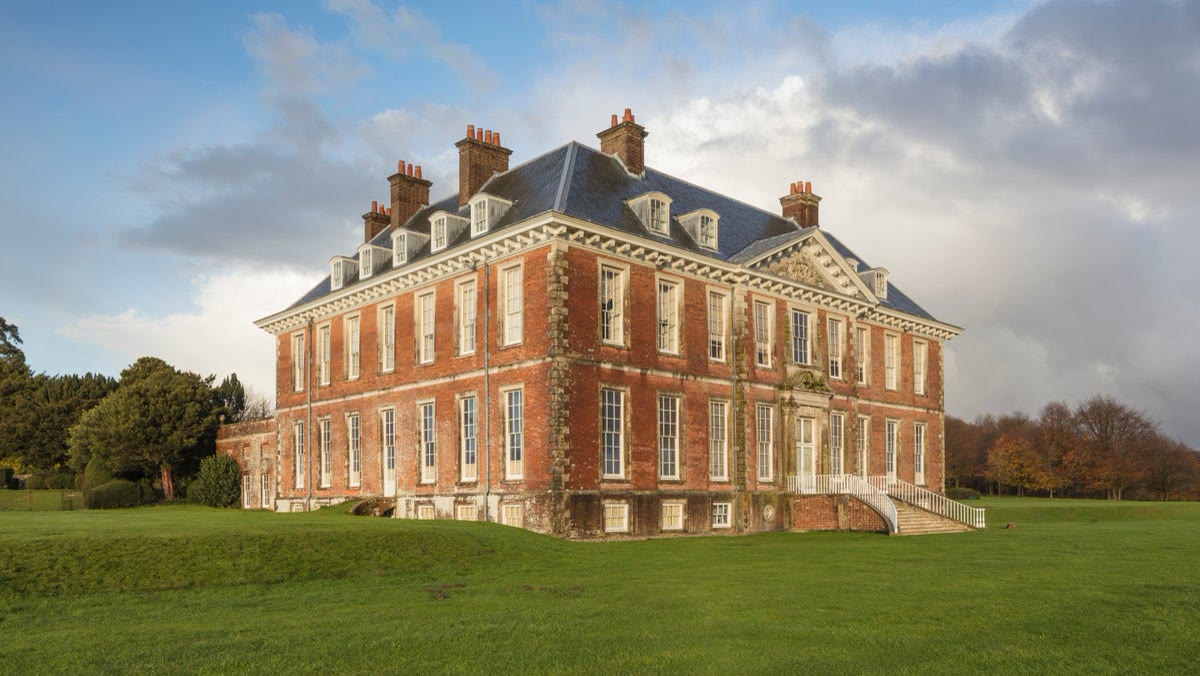
Uppark and Harting Down
Uppark is about 3.5 miles from The Marden and Harting Down about 5. Opening dates, parking, dogs, walks on the ridge and stargazing after dark.
Breaks · Just the two of you
Breaks for two
Two homes with wood burners, super-king beds and baths, in a quiet South Downs valley 10 miles from Chichester. At their best in winter.
Breaks · 28 nights or more
Long winter lets
Stay 28 nights or more this winter in a furnished home 10 miles from Chichester. Heating, electricity and wifi included. Ask for a monthly price.
Stay · Sleeps 4 · 2 bedrooms
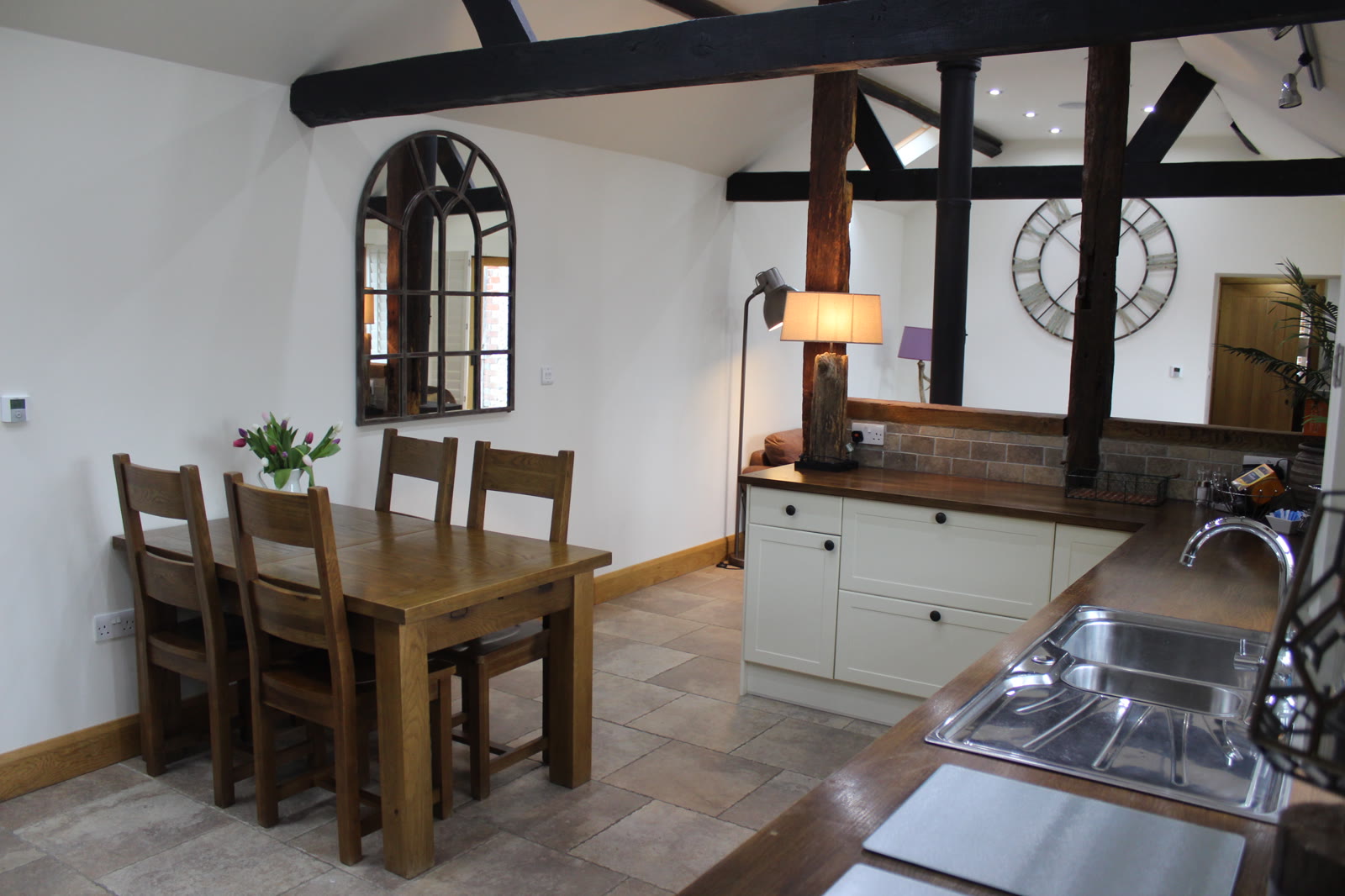
Keepers
The largest of the three: two super-king bedrooms, each with its own bath and shower, underfloor heating, a wood burner and a private courtyard.